
20% Off Any Service
Claim Offer
Painting Wood Siding On Your New Jersey Home
Why Wood Siding Is Challenging To Protect On New Jersey Homes
- Wood absorbs and releases moisture, causing constant expansion and contraction.
- Older homes often have decades of coating buildup and surface wear.
- Thin paint films struggle to stay bonded as wood moves.
- Seasonal weather swings accelerate cracking, peeling and failure.
Protecting Wood Siding In New Jersey’s Climate
Wood siding has a look many homeowners still prefer. It feels solid. Traditional. Real. But in New Jersey, wood siding also takes more abuse than people expect. Moisture, sun and seasonal movement all work against it, especially once the surface protection starts to fail.
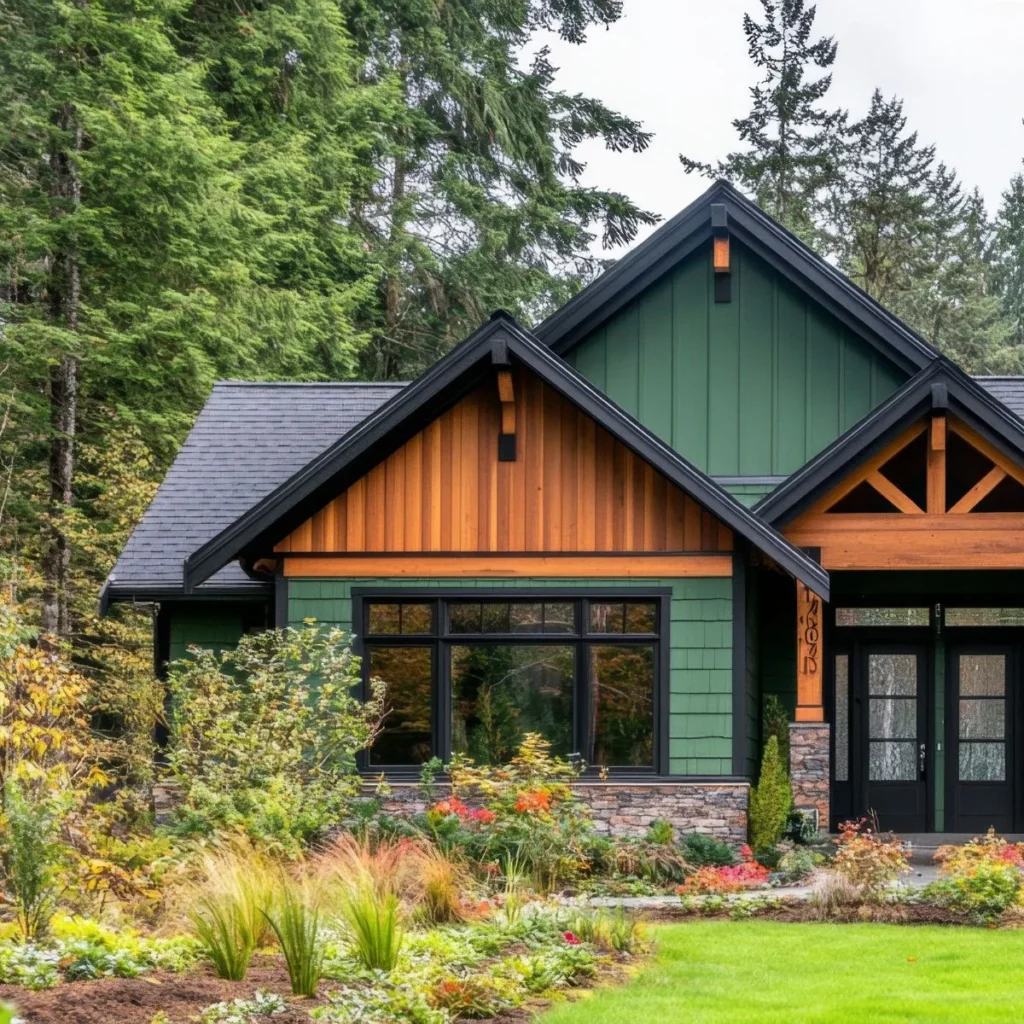
Rhino Shield of New Jersey works with many homes where wood siding has been painted multiple times. By the time homeowners start researching options, they’re usually dealing with peeling, fading or soft spots that don’t seem to stay fixed for long.
How Wood Siding Breaks Down Over Time
Even after installation, wood remains moisture-responsive, expanding and contracting as conditions change. Over years of exposure, that movement slowly changes the surface.
In New Jersey, rain and humidity soak into wood fibers while summer sun dries them back out. This repeated cycle causes swelling, shrinking and surface fatigue. As the wood shifts, coatings on top of it are forced to stretch and release over and over again.
That movement is subtle, but it adds up.
Why Painting Wood Siding Is Different From Other Materials
Painting wood siding isn’t the same as painting vinyl, fiber cement or masonry. Wood is porous. It absorbs moisture from the air and from direct contact with rain. Paint sits on the surface, but it can’t stop that internal movement.
Grain patterns, knots and seams all create uneven bonding conditions. Areas that look solid may still flex differently from the boards around them. Over time, those differences show up as cracking, peeling or separation along edges.
This is why painting wood siding requires more than just coverage. It requires an understanding of how the material behaves beneath the surface.
Common Problems Homeowners See After Painting Wood Siding
Many homeowners expect a fresh paint job to reset the clock. Instead, familiar issues tend to return.
Peeling often starts along edges and joints where movement is most significant. Cracking shows up where boards expand and contract at different rates. Blistering can form when moisture pushes back against a thin paint film. In some cases, rot can continue beneath intact paint when moisture is already present in the wood.
These problems don’t mean the paint was applied carelessly. They usually mean the material underneath was already working against it.
Surface Preparation That Actually Matters For Wood
Preparation matters more on wood than almost any other exterior surface. Loose coatings, weathered fibers and damaged boards all affect how well a new finish will hold.
Scraping and sanding remove what’s failing without reversing years of moisture exposure. Repairs can stabilize the surface, yet they can’t stop wood from moving. Even well-prepped wood continues to expand and contract once it’s back outside.
Preparation improves results, but it doesn’t change the nature of the material.
Where Traditional Paint Falls Short On Wood Siding
Traditional exterior paint is applied thinly. It’s designed to protect the surface, not manage long-term movement within the wood. As the siding shifts, that thin film stretches until it can’t stretch anymore.
Once adhesion weakens, paint begins to separate. Repainting over the same surface may look better temporarily, but it relies on the same underlying conditions. This is why wood siding paint failure often returns faster with each repaint. The problem comes down to what traditional paint can and can’t do on wood.
How Protective Coatings Change Performance On Wood
Protective coatings behave differently when thickness and flexibility are built into the system. Rhino Shield uses a ceramic exterior coating applied at significantly greater thickness than traditional paint, which changes how the surface responds to movement. As wood siding expands and contracts, a thicker coating is less likely to lose adhesion at edges and seams, where failure usually begins.
Instead of relying on a thin film that has little tolerance for stress, the coating maintains continuity across the surface as conditions change. That difference in film build and flexibility is what allows the coating to perform more consistently on wood over time.
When Wood Siding Keeps Needing Attention
Wood siding can last a long time, but only if its protection matches its behavior. Repainting alone often treats the symptoms without addressing the stress underneath.
Rhino Shield of New Jersey helps homeowners understand what their wood siding is dealing with and whether a long-term coating solution makes sense. The next step is getting clear on the condition of your siding before committing to another short-term fix.
Schedule a consultation with Rhino Shield to start your journey with a reliable, durable exterior paint for your home!
More Exterior House Painting

Painting A Brick House
Painting Metal Siding
Stucco Painting
Hardie Board & Vinyl Siding