
20% Off Any Service
Claim Offer
Prevent Mildew & Mold On House Exterior
Why Mildew And Mold Are Common On New Jersey Homes
- High humidity and frequent rainfall keep exterior walls damp longer throughout the year.
- Older housing materials absorb moisture and release it slowly, especially in shaded areas.
- Tree cover and tight lot spacing limit sun exposure and slow drying.
- Repeated surface treatments clean stains but don’t change moisture behavior.
Why New Jersey Homes Struggle With Exterior Mildew And Mold Growth
If you own a home near Colonia, NJ, you’ve probably seen dark streaks, green patches or chalky residue creep across siding or trim. Rhino Shield of New Jersey sees this daily. Exterior mildew and mold aren’t signs of neglect. They’re usually the result of how New Jersey homes interact with moisture, shade and time.
Most homeowners notice it slowly. One season, the wall looks dull. Next, the staining won’t wash off. That progression matters because mildew and mold don’t behave like surface dirt.
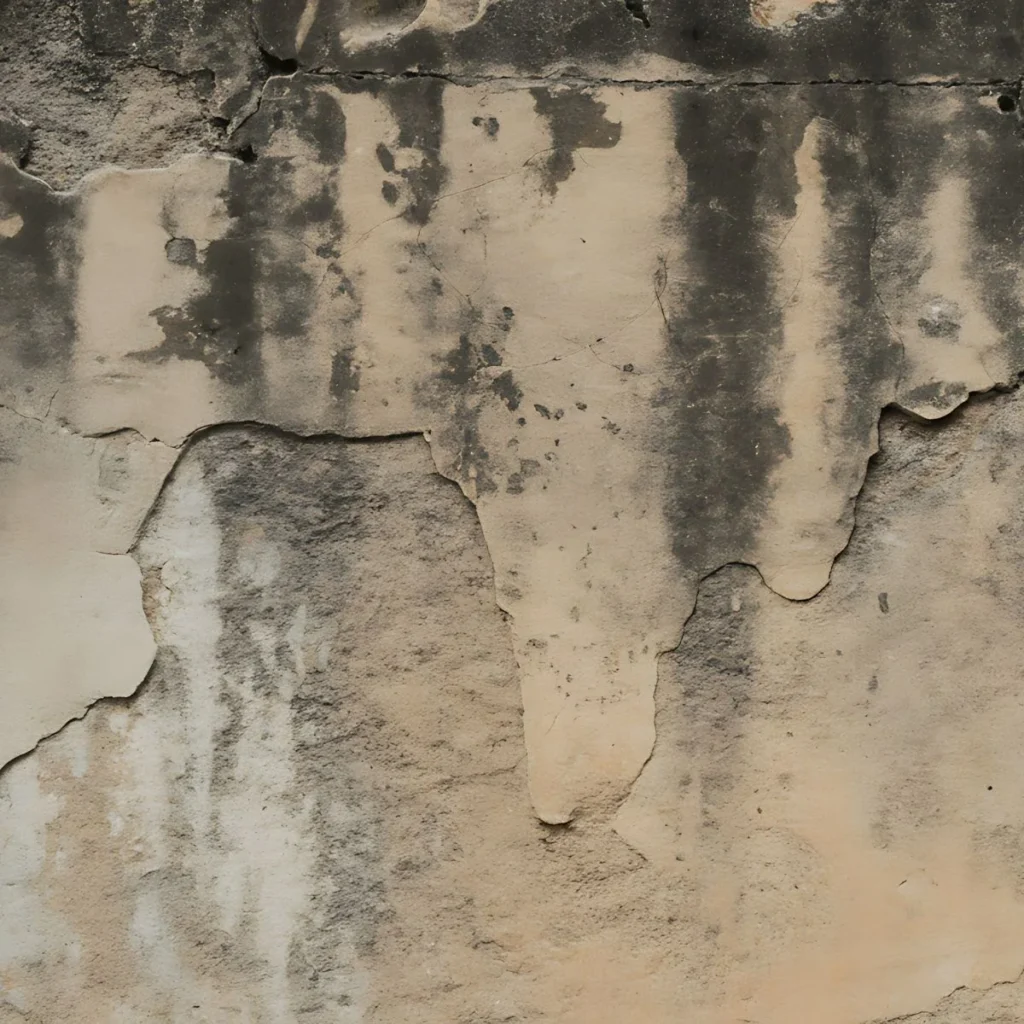
Why Mildew And Mold Grow On House Exteriors In New Jersey
Mildew and mold thrive when moisture lingers, and New Jersey offers plenty of opportunities for that to happen. Humid summers, frequent rainfall and shaded residential streets all slow drying times on exterior walls.
Older homes, especially those built in the mid-20th century, often use materials that absorb moisture and release it slowly.
Once moisture stays on the surface long enough, spores settle in. They don’t need much. Shade, warmth and repeated dampness are enough to get growth started.
This is why mildew on house siding and mold on exterior walls are so common across northern and central New Jersey.
The Difference Between Mildew Staining And Active Mold
Homeowners often use “mildew” and “mold” interchangeably, but there’s a practical difference worth understanding.
Mildew usually appears as lighter discoloration or surface staining. It spreads slowly and tends to stay near the surface. Mold is darker, more persistent and can root itself deeper into porous materials if moisture is constant.
Both signal the same underlying issue: the exterior isn’t drying out the way it should. Treating the stain without addressing moisture usually means it comes back.
Where Mildew And Mold Show Up First On NJ Homes
In New Jersey, exterior mildew and mold tend to appear in predictable places. North-facing walls that don’t see much sun are common trouble spots. Areas shaded by trees, close neighboring homes or overhangs dry more slowly and hold moisture longer.
You’ll also see growth around soffits, near foundation lines, behind downspouts and along trim where water runoff repeats the same path. These patterns aren’t random. They point directly to moisture exposure and drying limitations.
Why Pressure Washing And Repainting Don’t Last
Pressure washing removes visible growth, but it doesn’t change why mildew and mold formed in the first place. In many cases, aggressive washing can even drive moisture deeper into siding or masonry.
Repainting often looks like a fresh start, but traditional paint forms a thin film. Once moisture gets behind it again, growth returns beneath the surface. This is why homeowners feel stuck cleaning or repainting every few years, especially on shaded walls.
Surface fixes address appearance. They rarely address conditions.
How Exterior Coatings Affect Mold And Mildew Growth
Exterior performance depends on how a surface manages moisture over time. Rhino Shield uses a ceramic exterior coating rather than traditional paint. The coating is applied at significantly greater thickness, creating a durable layer that resists moisture penetration while allowing vapor to move through properly.
When walls can release moisture instead of trapping it, conditions that support mildew and mold are reduced. This doesn’t rely on additives or harsh chemicals. It’s about how the coating interacts with moisture, heat and sun over years, not seasons.
Get Clear Answers About What’s Growing On Your Exterior
Mildew and mold don’t show up because you did something wrong. They show up because moisture found a place to stay.
Rhino Shield of New Jersey helps homeowners understand what’s happening on their exterior surfaces and whether a long-term coating solution is the right move. The first step is a clear evaluation, not another temporary fix.
More Time To Repaint?